Watch a one-year-old with a wooden spoon and a pot lid. She bangs it, drops it, picks it up, bangs it again. It looks like nothing. It is actually a small science lab: what makes noise, what rolls, what happens when you let go.
The American Academy of Pediatrics put it plainly in a 2018 clinical report: play supports language, executive function, social skills and physical development, and it is a healthy counterweight to the pressure many families feel to start academics early.
Ages 1 to 3: learning with the hands
Child development researchers often describe toddlerhood as the age of object exploration. Children learn by handling things: this stacks, that squishes, this makes a sound when I shake it. Each repetition builds a mental model of how the physical world behaves. Language follows closely behind, because now there are things to name.
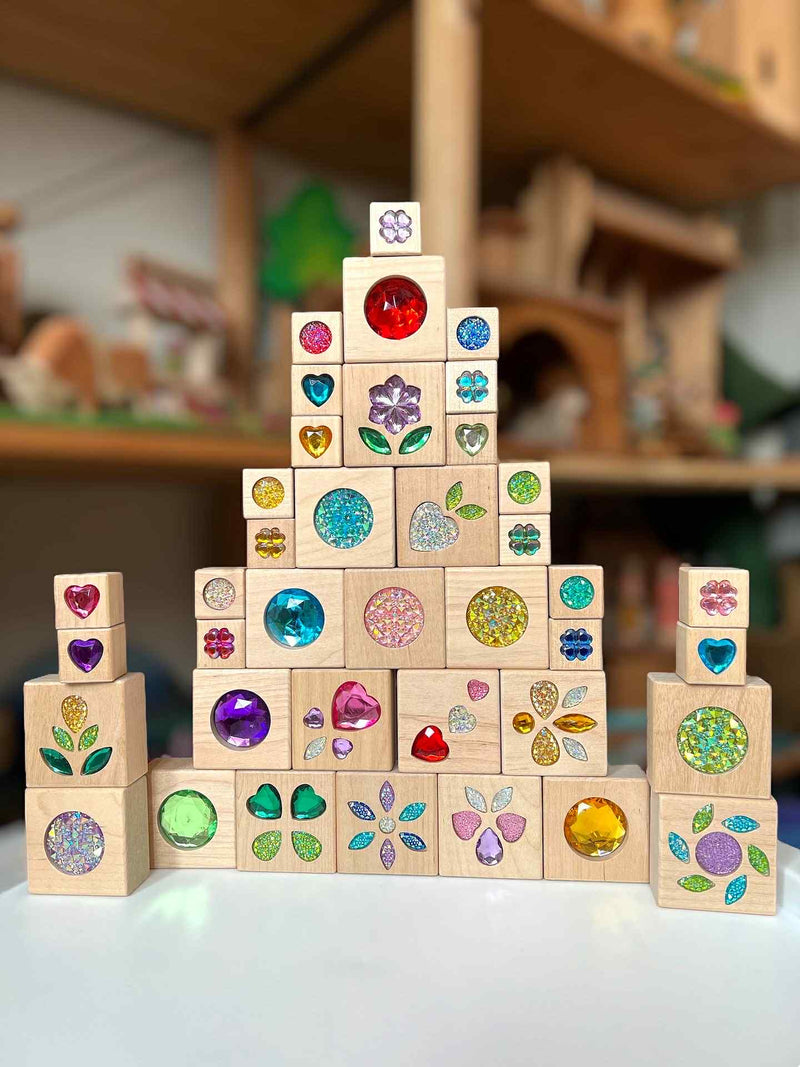
What this means for you: simple, sturdy objects with many possible uses tend to hold a toddler's interest longer than a toy that does one thing when you press a button. Blocks, stacking cups, nesting boxes, balls and shape sorters all fit. So do household items, within reason and safety.
Around age 3: pretend play takes over
Around the third birthday, play shifts. Children start giving objects pretend identities (the block is a phone) and acting out roles. This kind of play lets them practice social rules, emotions and storytelling. It is also where a lot of vocabulary grows.
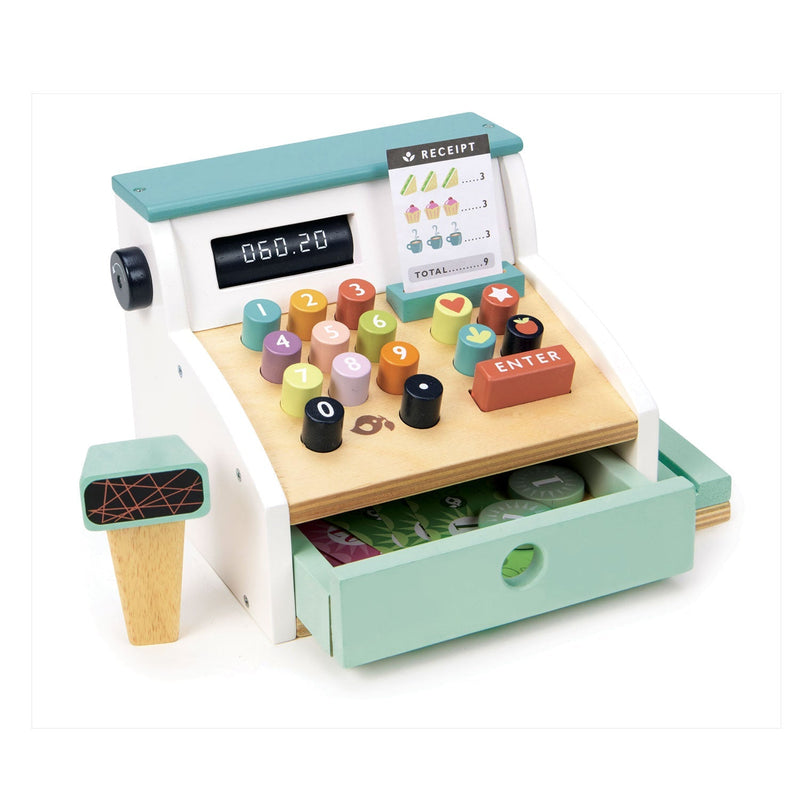
Support it with a few open-ended props rather than a full set of themed accessories: a play kitchen or market stand, dolls and soft animals, dress-up pieces, a small set of tools. Let the child decide what the story is.
How to help without taking over
- Follow their lead. Join in at the child's level and let them direct. Narrate what you see instead of quizzing.
- Make room for solo play. Independent play is not a sign you're neglecting them. It is practice at focus and self-direction.
- Offer time with other children as they get older. Peers teach things adults can't, especially turn-taking and negotiating.
- Keep the fun in it. Skill-building works best when the child is enjoying it. If it turns into a drill, you've left play behind.
What to look for in toys
Choose pieces that can grow with your child: a set of blocks works at 12 months (knocking towers down) and at 4 years (building bridges). Check age grading and safety labels, and skip anything with small parts for children who still mouth objects.
[Browse developmental toys by age] · [Open-ended play collection]
Sources: Yogman M. et al., "The Power of Play: A Pediatric Role in Enhancing Development in Young Children," Pediatrics, 2018. CDC, "Learn the Signs. Act Early." milestone checklists.