You don't need a dedicated room, or a lot of money, to create a space that invites a child to play. You need a few clear zones, things at child height, and a layout that's safe to leave them in.
Start with safety
Tip-overs are a real hazard. The U.S. Consumer Product Safety Commission urges anchoring dressers, shelves and TVs to the wall. Do this first, before you add anything else. Cover outlets, keep medications, cleaning products and sharp objects out of reach, and remove small parts from spaces used by children who still mouth objects.
Zone 1: Calm and rest
Keep the sleep area quiet and low on stimulation, with the bedtime-routine items close by: books, a reading chair, soft light. Note that safe sleep guidance for babies under 12 months calls for a firm, flat sleep surface in a crib or bassinet, so talk to your pediatrician before using any alternative with an infant. For toddlers, a cozy nook with a blanket and cushions makes a good daytime retreat.
Zone 2: Everyday independence
Keep clothes, a hairbrush and toothbrush where your child can reach them. A low mirror helps. Letting children do small things themselves builds confidence, and it saves you a few minutes of morning rushing.
Zone 3: Table for making and puzzles
Choose a light, plain surface without visual clutter. A table you could sit at beside your child works well, and chairs sized so they can climb in and out alone. A growing chair that adjusts as they get taller is a good long-term buy.
Zone 4: Building
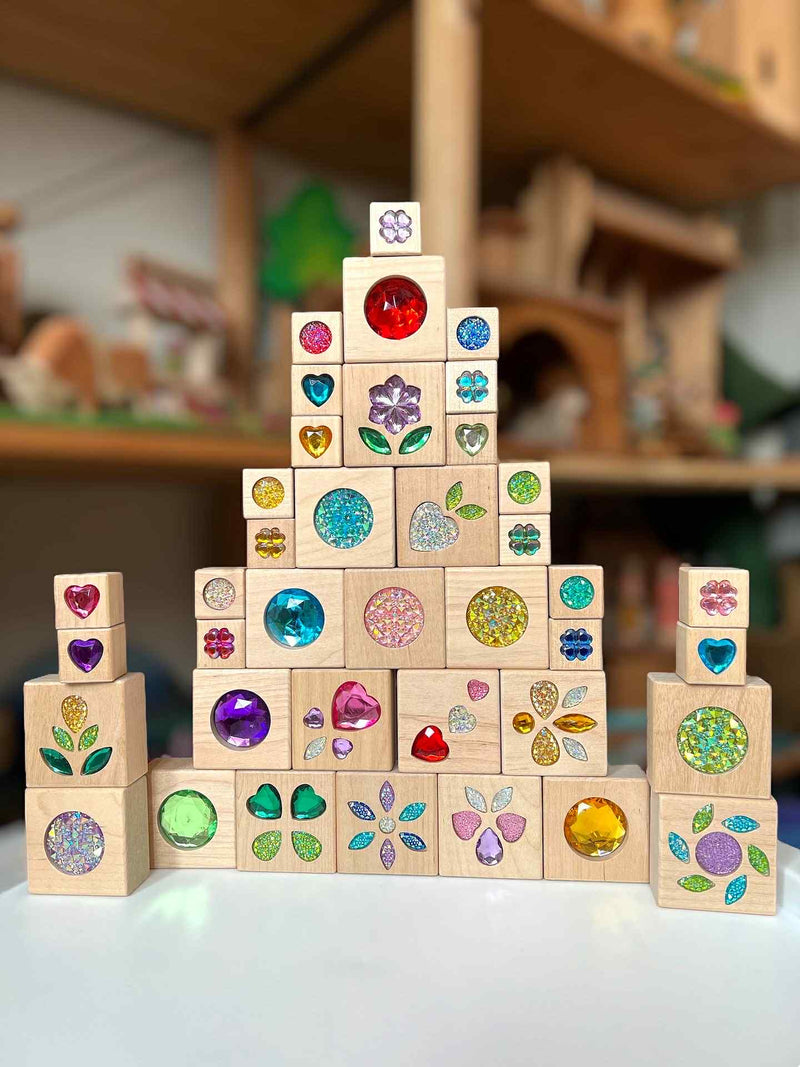
Blocks and construction sets in open bins, with a clear flat floor space next to them. Sorting pieces by type helps cleanup.
Zone 5: Art
A small set of supplies they can choose from. Many families keep three containers: drawing, dough, and mixed craft materials. Use a wipeable mat and an apron so you aren't worried about mess. An easel or magnetic board adds a vertical surface.
Zone 6: Pretend play
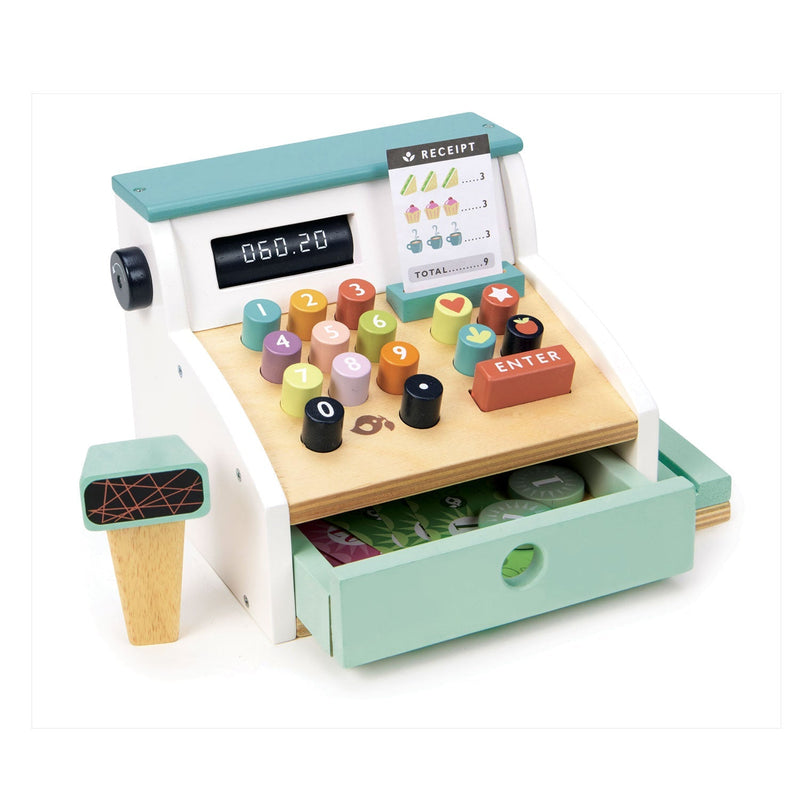
A play kitchen, doctor kit, tools, dolls and dress-up. Keep it simple and let the child lead.
Zone 7: Books
Show covers face-out on low shelves so children can pick by picture.
Zone 8: Movement
A soft mat, a climber or balance toys, somewhere to burn energy. Place it where it's easy to use during the day, not tucked away.
Let them have a say
Children feel more ownership of a space when they get to choose things in it: pick between two or three bedding or curtain options you've already approved, and display their drawings and creations. It doesn't have to match your taste.
[Kid's furniture] · [Modular shelving] · [Play equipment]
Sources: U.S. CPSC "Anchor It!" campaign guidance on furniture tip-overs. AAP safe sleep recommendations.